

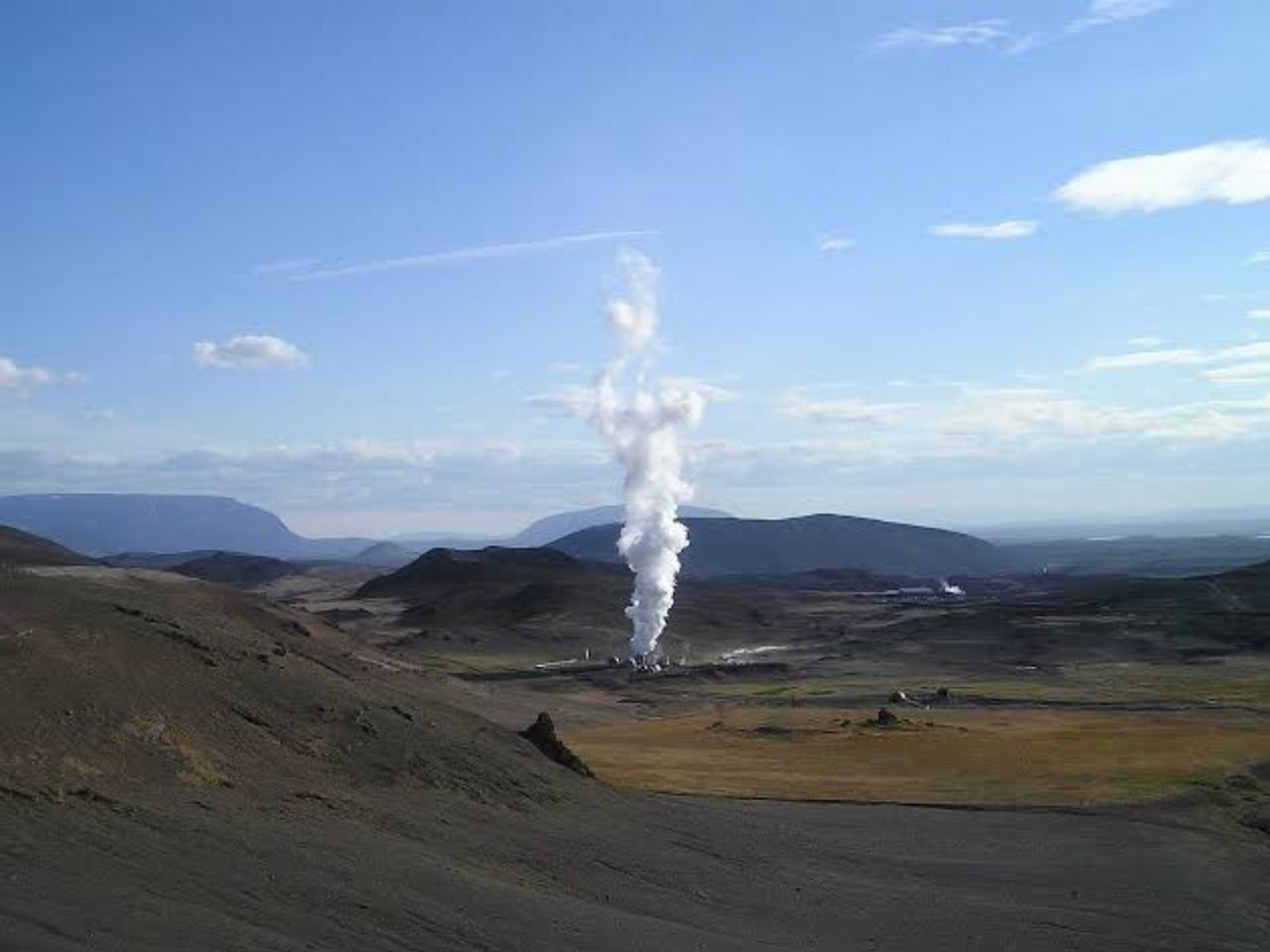
Geothermal energy is emerging as one of the most promising sources of clean, reliable electricity, driven by breakthroughs in drilling technologies adapted from the oil and gas industry. Advances in enhanced geothermal systems (EGS) are making it possible to tap the Earth’s heat in far more locations than previously possible, significantly expanding the technology’s potential beyond traditional geothermal hotspots. With rising electricity demand from artificial intelligence (AI), data centres and electrification, industry experts believe geothermal could become a key pillar of the future energy mix.
Enhanced Drilling Expands Geothermal Potential
For decades, geothermal power generation was largely limited to geologically active regions where underground heat naturally reaches closer to the Earth’s surface. This geographical limitation has kept geothermal’s contribution to the global electricity mix relatively small.
That is now beginning to change. Modern drilling techniques – many originally developed for hydraulic fracturing (fracking) and oil and gas exploration – allow developers to access deep underground heat reserves in locations that were previously considered unsuitable for geothermal energy production.

Enhanced geothermal systems use advanced drilling and engineered reservoirs to extract heat from deep beneath the Earth’s surface, making geothermal projects viable across a much wider range of geological conditions.
US Oil and Gas Expertise Driving Innovation
Much of the technological progress behind enhanced geothermal has come from expertise developed by the United States’ oil and gas industry. Improvements in horizontal drilling, reservoir engineering and well management are now being adapted to improve geothermal performance while reducing costs.
One example is US-based startup Birch Geothermal, whose leadership draws on extensive experience in oil and gas drilling and reservoir management. The company is developing sensor-based monitoring systems and autonomous technologies to optimise water movement within geothermal wells, helping maintain stable temperatures and improve the consistency of electricity generation. It is also applying reservoir design techniques originally developed for fossil fuel extraction to improve long-term geothermal well productivity.

Investments Gather Momentum
Enhanced geothermal has attracted growing support from both public and private investors in the United States. Federal funding has accelerated research and commercial deployment, while venture capital firms and technology investors are increasingly backing geothermal startups.
Industry leaders believe the sector is approaching a major growth phase. In early 2025, Cindy Taff, Chief Executive Officer of Sage Geosystems, said the coming years would mark “the decade of geothermal.” More than a year later, increasing investment and technological progress appear to be validating that outlook.
The US Department of Energy projects that enhanced geothermal systems could provide up to 90 GW of carbon-free generating capacity by 2050, enough to power at least 65 million US homes. The technology has also gained bipartisan political support in the country, with enhanced geothermal research featuring prominently in national energy security and clean energy strategies.